WHAT I NEED TO KNOW
- Is my product a cosmetic?
- I need to know the regulations.
- What should I be careful about?
- What are the risks if I'm not compliant?
Cosmetic products are defined as "Any substance or mixture intended to be placed in contact with the external parts of the human body (epidermis, hair system, nails, lips and external genital organs) or with the teeth and the mucous membranes of the oral cavity with a view exclusively or mainly to cleaning them, perfuming them, changing their appearance, protecting them, keeping them in good condition or correcting body odours" (Article 2 of Regulation (EC) No 1223/2009 of the European Parliament and of the Council of 30 November 2009, hereinafter referred to as the "Cosmetics Regulation").
- Oral hygiene products: Toothpaste/ Mouthwash/ Teeth whitening products
- Hair products: Hair masks/ Shampoos/ Conditioners/ Lotions/ Hair coloring products/ Hair treatments/ Mousses, hairsprays, and gels
- Body care products: Cleansing wipes/ Micellar waters/ Face creams and lotions/ Exfoliants and peeling products/ Deodorants and antiperspirants/ Oils/ Shower gels and creams/ Soaps/ Body lotions/ Bath pearls and salts/ Skin whitening products
- Fragrance products: Aftershaves/ Perfumes and eau de parfum/ Toilet waters and colognes/ Balms/ Perfumed oils
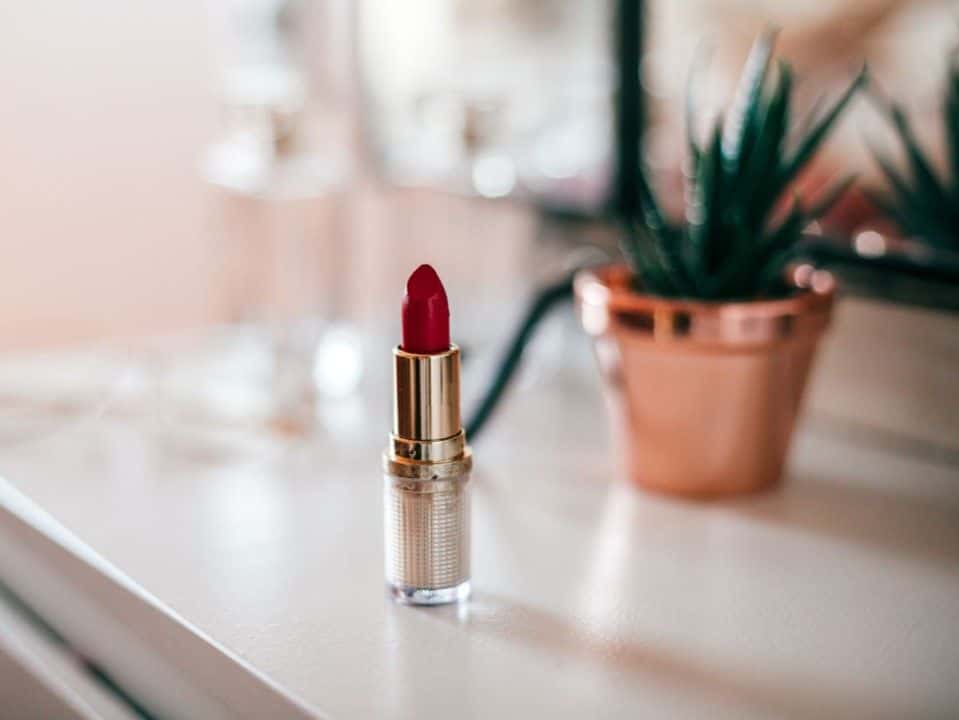
- Makeup products: Nail products/ Lipsticks and glosses/ Eyeliners and lip pencils/ Mascaras/ Eyeshadows and eyeshadows/Foundations and primers/Blush/Powders
- Sunscreen products: Oils/Creams/Lotions/Sprays/After-sun products
I NEED TO KNOW THE REGULATIONS
Cosmetic products are governed in particular by:
A European regulation (Regulation (EC) No. 1223/2009 of 30 November 2009) which sets out the rules to be followed to ensure safety and proper consumer information. It also requires operators to declare their products. Amendments are regularly made to strengthen product safety on the market.
The French Public Health Code, which sets out the internal rules in France to guarantee the proper application of the European regulation and the general rules on product safety, as well as control and sanction measures: my product must not, in fact, harm human health when used under normal or reasonably foreseeable conditions.
The Consumer Code governs, in particular, the quality and fairness of products and services.
To comply with regulations, I must therefore regularly stay informed of regulatory changes. To better manage this very complex aspect of the business, joining a professional association can be helpful, such as COSMED, COSMETIC VALLEY, and/or FEBEA.
WHAT SHOULD I PAY ATTENTION TO?
CPNP (Cosmetic Products Notification Portal)
Every cosmetic product placed on the market must be notified at https://webgate.ec.europa.eu/cpnp/
Product Labeling
Article 19 of the European regulation defines the mandatory labeling information on the container and packaging of the cosmetic product (e.g., responsible person, list of ingredients, precautions for use, etc.). These must be written in easily visible and legible characters and indelibly. They must also be written in French.
Cosmetic Composition
Article 14 and Annexes II to VI of the European regulation set out the rules for the composition of cosmetic products. These texts contain the list of prohibited substances and those authorized for preservative, coloring, and UV filtering functions. They also set out the conditions of use for certain substances.
Strict compliance with these rules is the responsibility of the person designated as such.
Reporting Adverse Effects
Responsible persons and distributors must report to the French Agency for Food, Environmental and Occupational Health & Safety (ANSES) any adverse effects (serious, resulting from misuse of the product, or other effects) observed with the product and the measures they have taken to remedy them.
Do not use unsubstantiated claims
Claiming regarding the efficacy or other characteristics of cosmetic products must not be misleading to consumers. Permitted claims must meet the 6 criteria defined in Regulation (EU) No 655/2013 of 10 July 2013. They must be lawful, true, verifiable, sincere, fair and non-derogatory, clear and understandable. Finally, the product must not mislead consumers.